

Esports is no longer just packed arenas and livestream hype—it’s a powerful economic engine. In this breakdown of esports event economics, we examine how major tournaments generate real financial impact for host cities. Many decision-makers still underestimate esports, overlooking the surge in hotel bookings, restaurant traffic, transportation use, and global media exposure that follows a single event. Drawing on industry reports, spending data, and case studies from recent international competitions, this article explores the direct revenue, indirect business growth, and long-term branding advantages that transform esports tournaments into catalysts for sustainable urban economic development.
The Initial Boom: Tracking Direct Spending from Fans and Organizations
When a major tournament hits town, you can almost feel the cash registers warming up. I’ve always believed the real story starts with the obvious: Ticket Sales & Venue Revenue. This is the front door of the boom. General admission, VIP lounges, premium seating with meet-and-greets—these aren’t just perks, they’re high-margin drivers that fill arena coffers fast. Some critics argue ticket revenue is overhyped because streaming dominates viewership. Fair. But packed arenas still signal demand (and sponsors notice that immediately).
Where the Money Actually Lands
Hospitality & Tourism Impact is where things get serious. Economists call it the “heads in beds” effect—traveling fans, players, and production crews booking hotels, ordering late-night food, and flooding local transit. According to studies from Oxford Economics, event-driven tourism can inject millions into host cities annually. I’d argue this is the TRUE power move behind large-scale tournaments.
On-site spending piles on fast:
- Merchandise drops (limited jerseys sell out in hours)
- Concessions and themed food bundles
- Brand booths and partner activations
And yes, those branded mousepads and energy drinks add up.
Then there’s Operational Expenditure—the unsung hero of esports event economics. Organizers hire security teams, stagehands, broadcast engineers, and local contractors. That payroll circulates immediately through the community. Some skeptics claim most profits leave with organizers, but that ignores the short-term stimulus to local vendors.
Personally, I think cities underestimate this surge. It’s not just hype—it’s a coordinated economic spike fueled by fandom, spectacle, and smart logistics (and maybe a little competitive adrenaline).
The Ripple Effect: How Tournament Dollars Circulate Locally
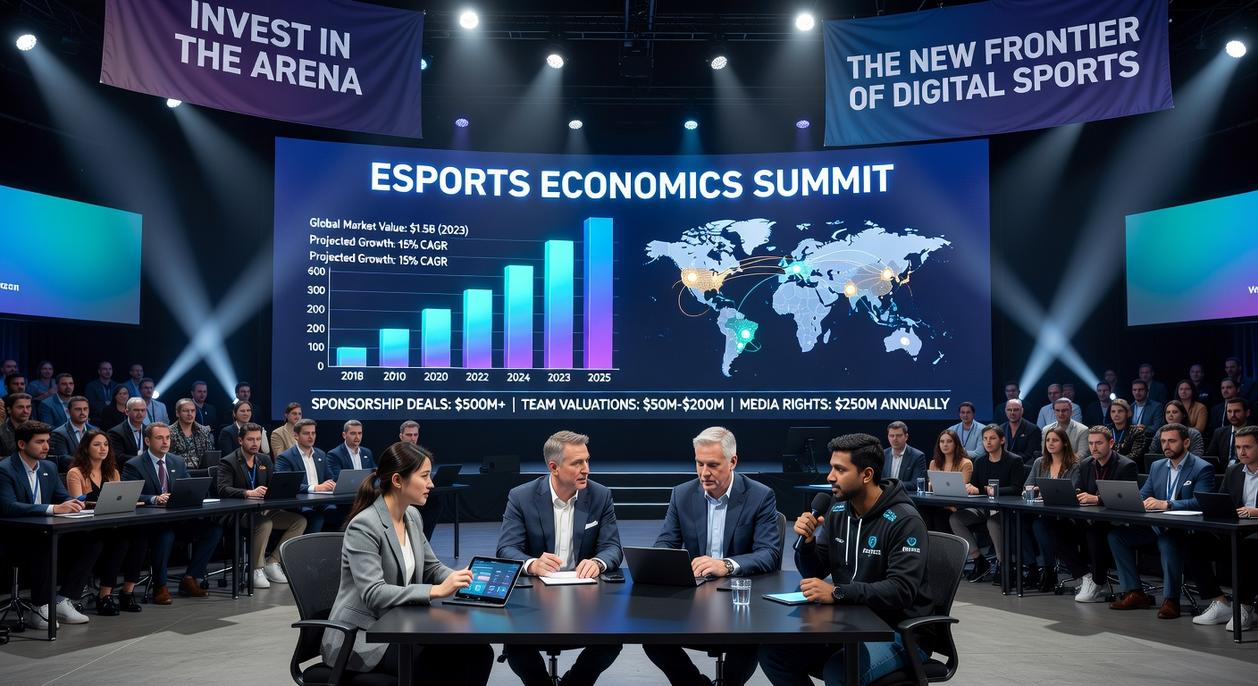
When a major tournament rolls into town, the impact goes far beyond the arena lights and roaring crowds. At the heart of it is the economic multiplier—a term economists use to describe how one dollar spent locally gets re-spent again and again. For example, a fan buys lunch at a nearby café. The café owner pays staff wages and orders more produce from a local supplier. That supplier, in turn, pays drivers and warehouse workers. One purchase ripples outward (kind of like tossing a coin into a fountain, except everyone actually benefits).
Some skeptics argue that events only create short-lived hype. They claim the boost disappears as soon as the final match ends. I disagree. While the surge is temporary, the financial injection is real and measurable, especially in esports event economics. According to studies by the U.S. Travel Association, event-driven travel can significantly increase local business revenue during peak periods.
Consider how ancillary businesses benefit:
- Restaurants and bars see packed tables before and after matches
- Retail shops sell team merch and last-minute gear
- Entertainment venues host after-parties and fan meetups
Then there’s supply chain activation. Event organizers rely on catering companies, marketing agencies, AV equipment rental, and printing services. That’s a web of local B2B demand firing on all cylinders.
And let’s not forget short-term job creation. From stagehands to brand ambassadors, tournaments generate temporary roles that provide income and hands-on experience. Sure, it’s not permanent employment—but isn’t momentum better than stagnation?
Leveling Up the City: Infrastructure, Tech, and Global Branding
When a city hosts a major tournament, the first pressure point is bandwidth. High-definition broadcasts and low-latency gameplay demand fiber upgrades, 5G densification, and redundant data centers. In practical terms, city planners should audit current speeds, partner with ISPs for temporary boosts, then lock in permanent contracts so upgrades remain after the finals end. That’s how short-term hype becomes long-term digital capacity.
Next, consider global media exposure. According to Nielsen’s esports reports, top events draw millions of unique viewers worldwide. That earned visibility functions like a tourism campaign on steroids. To quantify it, compare broadcast impressions with equivalent ad spend rates; the numbers often reach tens of millions in media value. Then align city branding, on-screen graphics, and social hashtags to reinforce a tech-forward identity.
Moreover, successful execution signals opportunity. Tech firms track esports event economics as a proxy for infrastructure readiness and talent density. After hosting, cities should package metrics—uptime stats, attendance, startup growth—and pitch them directly to game studios.
For structure insights, review how esports tournaments are structured.
Case in point: Katowice leveraged IEM to transform from industrial hub to European esports capital, attracting sustained tech investment long term.
Calculating the Costs: Is Hosting Always a Net Positive?
Hosting a premier event sounds glamorous, but the math matters. Upfront costs include bidding fees, venue upgrades, security, and marketing campaigns. Before committing, city planners should:
- Request transparent line-item budgets.
- Model best- and worst-case attendance scenarios.
- Compare projections against similar esports event economics cases.
Infrastructure strain is real. Packed transit systems and redirected public funds can frustrate residents (and voters).
Pro tip: build contingency reserves of at least 10%.
After the confetti falls, conduct a true ROI audit—tax revenue, tourism lift, long-term brand value—so taxpayers see measurable gains. For lasting impact.
The Final Score: A New Economic Power Play
You set out to understand whether esports is just entertainment hype or a legitimate economic force. The evidence is clear: esports event economics prove these tournaments are powerful engines for growth, tourism, and digital innovation.
The real obstacle isn’t profitability—it’s perception. Cities and stakeholders who still see esports as a niche hobby risk missing out on infrastructure upgrades, global visibility, and high-value audience engagement. Those who recognize its strategic weight can transform arenas into revenue hubs and local tech ecosystems into thriving networks.
Now is the moment to act. If you’re planning city investments or large-scale events, prioritize esports in your development strategy. Leverage its global pull, secure key partnerships, and position your region at the center of the next economic power play.
 Creative Director
There is a specific skill involved in explaining something clearly — one that is completely separate from actually knowing the subject. Lorraines Pricevadan has both. They has spent years working with expert insights in a hands-on capacity, and an equal amount of time figuring out how to translate that experience into writing that people with different backgrounds can actually absorb and use.
Lorraines tends to approach complex subjects — Expert Insights, Core Mechanics and Playstyles, Tech-Driven Gaming Gear Tips being good examples — by starting with what the reader already knows, then building outward from there rather than dropping them in the deep end. It sounds like a small thing. In practice it makes a significant difference in whether someone finishes the article or abandons it halfway through. They is also good at knowing when to stop — a surprisingly underrated skill. Some writers bury useful information under so many caveats and qualifications that the point disappears. Lorraines knows where the point is and gets there without too many detours.
The practical effect of all this is that people who read Lorraines's work tend to come away actually capable of doing something with it. Not just vaguely informed — actually capable. For a writer working in expert insights, that is probably the best possible outcome, and it's the standard Lorraines holds they's own work to.
Creative Director
There is a specific skill involved in explaining something clearly — one that is completely separate from actually knowing the subject. Lorraines Pricevadan has both. They has spent years working with expert insights in a hands-on capacity, and an equal amount of time figuring out how to translate that experience into writing that people with different backgrounds can actually absorb and use.
Lorraines tends to approach complex subjects — Expert Insights, Core Mechanics and Playstyles, Tech-Driven Gaming Gear Tips being good examples — by starting with what the reader already knows, then building outward from there rather than dropping them in the deep end. It sounds like a small thing. In practice it makes a significant difference in whether someone finishes the article or abandons it halfway through. They is also good at knowing when to stop — a surprisingly underrated skill. Some writers bury useful information under so many caveats and qualifications that the point disappears. Lorraines knows where the point is and gets there without too many detours.
The practical effect of all this is that people who read Lorraines's work tend to come away actually capable of doing something with it. Not just vaguely informed — actually capable. For a writer working in expert insights, that is probably the best possible outcome, and it's the standard Lorraines holds they's own work to.