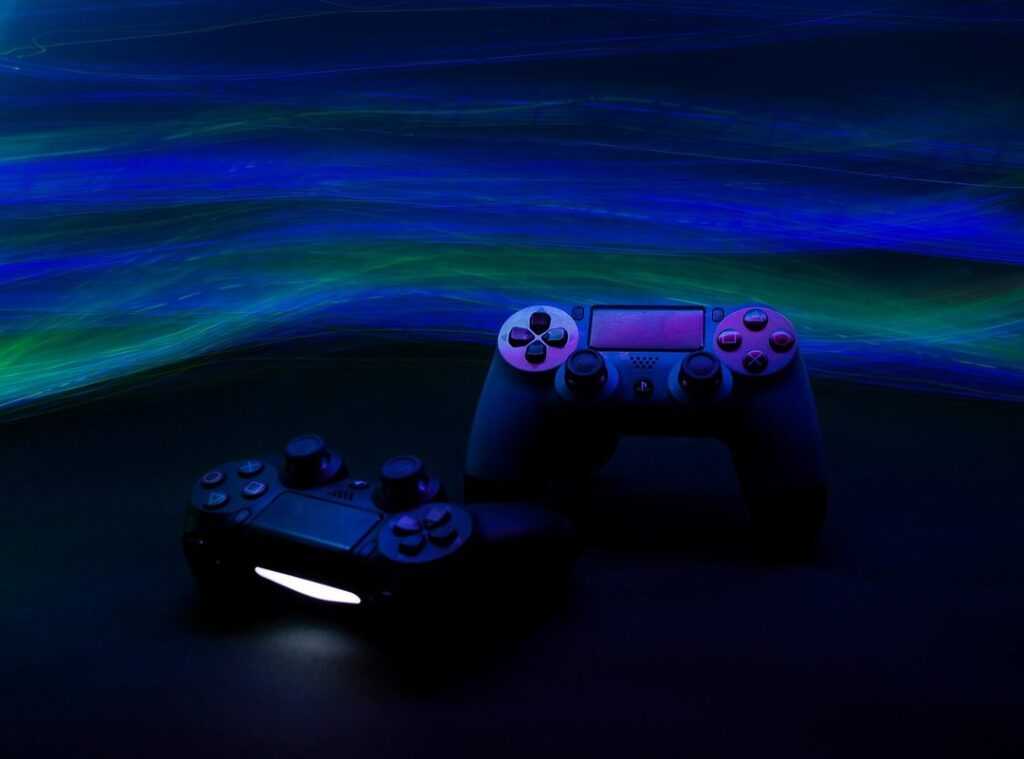
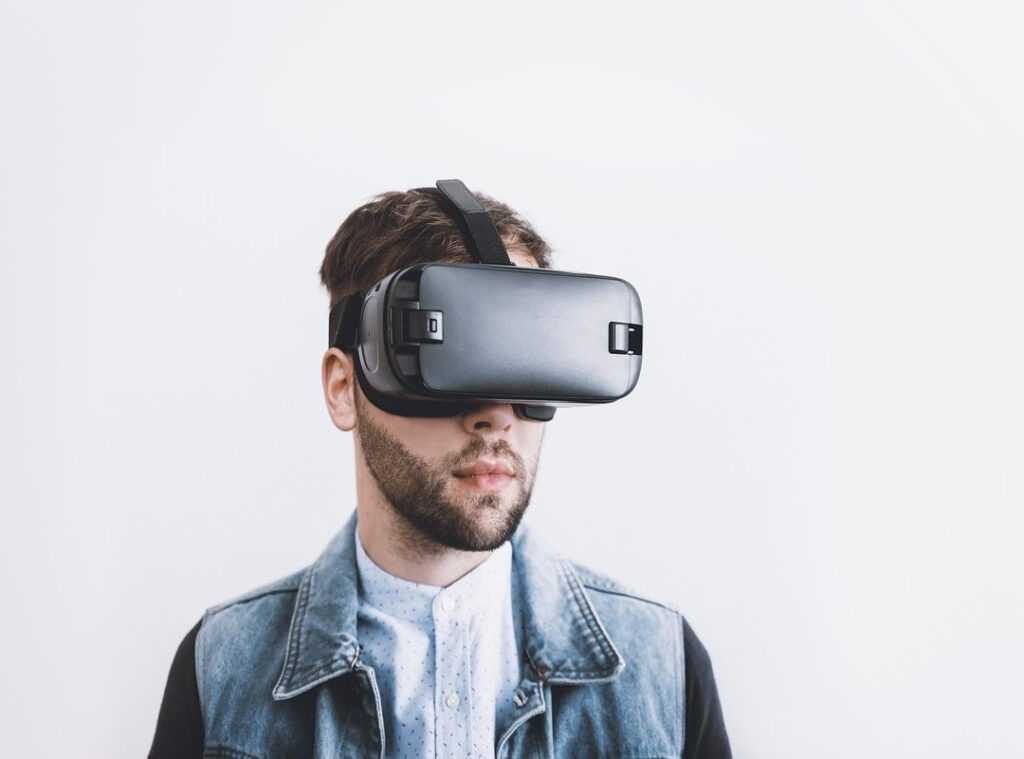
You know that moment when you’re so deep in a game, everything else just disappears? Time flies, the real world fades, and it’s just you and that digital universe. It’s addictive.
But what makes a game truly immersive? Many gamers chase this experience, often thinking it’s all about the graphics. It’s not (surprise!).
The magic goes way beyond visuals. It’s about sound, mechanics, and world-building. I’ve spent hours analyzing these elements (unpacking) the core mechanics behind the magic.
I promise, we’re going to break it all down. You’ll gain a fresh perspective on your favorite games, see them through new eyes. And maybe, just maybe, discover your next great adventure.
Trust me. I’m passionate about this deep dive into gaming and virtual reality gaming. Ready to explore?
Decoding Immersion: More Than Just a Buzzword
When I talk about immersion in gaming, I’m not throwing around some fancy term. Think of it as the gravitational pull a game has on your attention. It’s what makes you forget about the real world and get lost in another.
Ever felt like you were right there? That’s spatial immersion. Picture yourself creeping through the claustrophobic hallways of ‘Alien: Isolation’ or taking in the sprawling vistas of ‘Elden Ring’.
You feel it, right?
Then there’s narrative immersion. It’s when a story grabs you by the heart and doesn’t let go. You invest in characters, choices matter. ‘The Witcher 3’, anyone?
Those emotional arcs aren’t just for show. They make you care, and that’s the whole point.
Strategic or tactile immersion is different. It’s that focus you get when you master a game’s system. Ever nailed a perfect combo in a fighting game?
Or organized a complex factory in ‘Factorio’? That deep dive into mechanics is what I’m talking about.
Virtual reality gaming is pushing these boundaries even further. It’s making us question ai in gaming friend or foe. How immersive can it get?
Plenty of us are wondering if we’re on the brink of something game-changing. Are you ready for it?
Building a Believable World: The Sensory Keys
Creating an immersive world is no small feat. You need sensory details to really sell it. I mean, think about it.
Virtual reality gaming doesn’t just rely on visuals. Sound is a massive part of the experience. It’s not just about throwing a cool soundtrack over the top.
It’s about great sound design. The crunch of snow under your feet or hearing enemy footsteps approaching. That kind of detail draws you in.
When I first heard the details in some games, it was like my ears opened for the first time. You know what I’m talking about, right? It’s like the difference between watching a movie on mute versus being in the scene.
Audio is 50% of the experience. Sometimes, even more.
But sound alone won’t cut it. You need a world that feels lived-in. Environmental storytelling is key.
A ruined castle isn’t just a backdrop. It’s a narrative in stone. Like finding a discarded note in a game.
It whispers stories of the past. This kind of detail makes the world feel rich and full. It’s like reading a novel that doesn’t need words.
There’s also the interface. A brilliant UI becomes part of you. Think about ‘Dead Space’ with its health indicator on Isaac’s suit.
No clunky menus to pull you out of the moment. It’s smooth. In contrast, intrusive pop-ups feel like a slap to the face.
They remind you it’s just a game.
To truly get lost in these virtual worlds, every element counts. If you’re curious to explore vr gaming experiences that nail this balance, you won’t be disappointed. Remember, it’s all about those foundational elements.
They build the illusion of reality. Without them, you’re just playing dress-up.
The Unseen Architecture: Game Engines and Immersion
When you think about virtual reality gaming, what’s the first thing that pops into your head? Is it the graphics? The story?

Maybe the characters? All great guesses, but here’s the kicker: it’s the game engine that’s the real MVP. Think of it as the laws of physics in a virtual world.
Just like how gravity keeps us grounded, a game engine holds everything together. It’s like a director orchestrating a movie. Without it, you’d just have chaos.
Now, let’s dive a bit deeper. Ever notice how some game worlds feel alive? Not just static backgrounds but changing places?
That’s no accident. It’s those advanced systems running under the hood. Take AI, for example.
In some games, the AI doesn’t just follow a script. It reacts. You sneak around a corner, and an enemy hears you.
Suddenly, they’re on your trail. That’s immersion. It’s a world that feels weighty and real, not like cardboard cutouts.
Then there’s the weather. It’s not just for show. It can change gameplay.
Rain makes roads slippery. Wind affects arrows. These aren’t just pretty effects.
They’re part of the experience. It’s all about creating a world where your actions matter. Where what you do leaves a mark.
And new engine technology shines. It allows for persistence. Your choices echo, creating a world that feels more genuine.
Curious about how this ties into the future of gaming? Check out the top 10 gaming trends 2024. It’s a glimpse into how these engines will evolve, making virtual worlds even more immersive.
In the end, it’s not just about playing a game. It’s about stepping into a universe where every move counts.
Games That Grip You: Immersion Done Right
Ever felt a game pulling you in so much that you lose track of time? That’s real immersion. Take Red Dead Redemption 2.
It’s not just a game about cowboys and horses, but about living in a world that feels alive. The slow, deliberate animations and complex NPC routines make it feel like you’re stepping into a history book. And who can forget the conversations on the trails?
Switch gears to Hellblade: Senua’s Sacrifice. This game is a mind trip. The binaural audio isn’t just a gimmick.
They make you feel like part of something bigger.
It thrusts you right into Senua’s troubled mind. Hearing voices that whisper and taunt as if they’re in the room with you? That’s an experience that’s hard to shake off.
It’s a perfect example of using sound to blur the line between player and character.
And let’s dive deep—literally (into) Subnautica. No map? No problem.
This game nails immersion by making you rely on environmental cues. You don’t know what’s lurking in those dark waters, and the sense of discovery mixed with dread keeps you on edge. It’s like being in your own aquatic thriller.
Virtual reality gaming could learn a thing or two from these. It’s all about using mechanics that pull players into another world. Whether through sound, animation, or the absence of familiar tools, these games show how to build worlds that are hard to escape.
Dive Deeper into Your Next Gaming Quest
Getting lost in a game isn’t just about flashy graphics. You know that feeling (the) one where you forget everything else exists. It’s built on sound, story, and mechanics.
That’s true immersion. Now that you recognize these, you’re ready to find that game. You want that “lost in the game” sensation.
So here’s the challenge: fire up your favorite game or browse your wishlist with this new insight. Look for those immersive elements. You deserve games that deliver.
And hey, if you’re into virtual reality gaming, this is your chance. Find your next great adventure. Dive in now.
 Creative Director
There is a specific skill involved in explaining something clearly — one that is completely separate from actually knowing the subject. Lorraines Pricevadan has both. They has spent years working with expert insights in a hands-on capacity, and an equal amount of time figuring out how to translate that experience into writing that people with different backgrounds can actually absorb and use.
Lorraines tends to approach complex subjects — Expert Insights, Core Mechanics and Playstyles, Tech-Driven Gaming Gear Tips being good examples — by starting with what the reader already knows, then building outward from there rather than dropping them in the deep end. It sounds like a small thing. In practice it makes a significant difference in whether someone finishes the article or abandons it halfway through. They is also good at knowing when to stop — a surprisingly underrated skill. Some writers bury useful information under so many caveats and qualifications that the point disappears. Lorraines knows where the point is and gets there without too many detours.
The practical effect of all this is that people who read Lorraines's work tend to come away actually capable of doing something with it. Not just vaguely informed — actually capable. For a writer working in expert insights, that is probably the best possible outcome, and it's the standard Lorraines holds they's own work to.
Creative Director
There is a specific skill involved in explaining something clearly — one that is completely separate from actually knowing the subject. Lorraines Pricevadan has both. They has spent years working with expert insights in a hands-on capacity, and an equal amount of time figuring out how to translate that experience into writing that people with different backgrounds can actually absorb and use.
Lorraines tends to approach complex subjects — Expert Insights, Core Mechanics and Playstyles, Tech-Driven Gaming Gear Tips being good examples — by starting with what the reader already knows, then building outward from there rather than dropping them in the deep end. It sounds like a small thing. In practice it makes a significant difference in whether someone finishes the article or abandons it halfway through. They is also good at knowing when to stop — a surprisingly underrated skill. Some writers bury useful information under so many caveats and qualifications that the point disappears. Lorraines knows where the point is and gets there without too many detours.
The practical effect of all this is that people who read Lorraines's work tend to come away actually capable of doing something with it. Not just vaguely informed — actually capable. For a writer working in expert insights, that is probably the best possible outcome, and it's the standard Lorraines holds they's own work to.