
Feeling overwhelmed by terms like “stats,” “builds,” and “min-maxing”? You’re not alone. Diving into RPGs can be daunting, even if you’re itching to get started.
Let’s be real: those core mechanics can sound like a foreign language. But here’s the good news. By the end of this guide, you’ll get a solid grasp of what makes RPGs tick.
I’ve spent countless hours dissecting game systems, from classic tabletop adventures to the latest AAA titles. Why trust this? Because after analyzing hundreds of games, patterns emerge.
You’ll see them too. This isn’t just about playing. It’s about understanding.
I’m here to demystify things for RPG mechanics beginners. Ready to boost your confidence in any RPG you pick up? Stick with me.
You’ll walk away with the foundational knowledge to start any RPG and truly enjoy it.
Game Mechanics: The Backbone of RPGs
When we talk about game mechanics, we’re diving into the nuts and bolts of how a game operates. Imagine them as the rules of chess or the playbook of a sport. Every piece on the board or player on the field has specific abilities and limitations.
That’s what game mechanics do for RPGs (role-playing games).
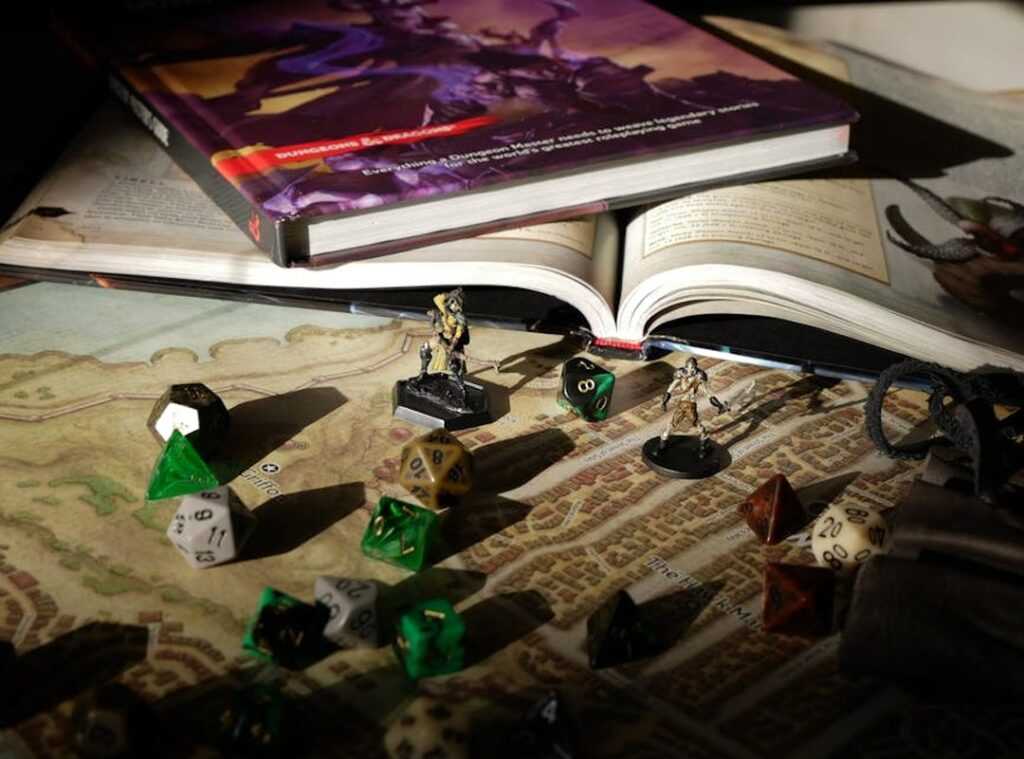
In the world of RPGs, there are two main arenas: Tabletop RPGs (TTRPGs) like Dungeons & Dragons and Video Game RPGs like The Witcher or Final Fantasy. These categories might seem worlds apart, but they share a common core. Character abilities, combat rules, and progression systems are the heartbeats of these games.
Now, here’s the twist. In TTRPGs, a human, the Game Master, interprets the rules. It’s like having a referee whispering behind the scenes.
They decide outcomes based on dice rolls and character decisions. But in video games? You’ve got the code or engine doing the heavy lifting.
It’s a smooth, instant calculation.
Despite the medium, RPG mechanics beginners will find that the basics remain the same. It’s fascinating how these systems bridge the gap between human imagination and digital precision. Speaking of bridging gaps, if you’re into shooter games, check out these Class Based Shooting Games Tips Tricks.
They offer takeaways into plan and skills akin to RPG strategies.
Ultimately, whether it’s a tabletop or digital adventure, understanding game mechanics is like learning the language of fun. They let players start on journeys full of choices and challenges. And that’s what makes RPGs irresistible.
Building a Hero: Mastering Stats, Skills, and Classes
Starting a new RPG? The character creation screen can be a nightmare. For RPG mechanics beginners, it’s like a cryptic puzzle.
Let’s break it down.
First up is Attributes or Stats. Think Strength, Dexterity, or Intelligence. These are your character’s raw abilities.
A high Strength stat means you swing a sword with more force. Who doesn’t want that? But it’s not just about hitting harder.
Your stats influence everything. Want to talk your way out of trouble? You’ll need a good Charisma stat.
Simple enough, right?
Then there are Skills. Unlike stats, these are learned abilities. Take Lockpicking, for example.
It determines how well you can open locked doors or chests. Skills are about what you can do, not just how strong or smart you are. They let you specialize.
Maybe you’re a master of Persuasion, convincing NPCs to spill secrets. Or perhaps you’re stealthy, sneaking past enemies without a sound. Skills add depth.
They make your character unique.
Now, let’s talk Classes or Archetypes. These are pre-packaged templates. Think Warrior, Mage, or Rogue.
Each class emphasizes certain stats and skills. Warriors are all about strength and defense. Mages focus on Intelligence and magic skills.
Rogues? They’re your go-to for stealth and agility. Classes give you a starting point.
They’re a shortcut to a specialized playstyle. You wouldn’t take a Rogue into battle with a two-handed sword, right?
For a deeper dive into these concepts, check out this in-depth look. It explores various roleplaying mechanics across games. Ever heard of Fallout’s SPECIAL system?
It’s a prime example of stats in action. Or Baldur’s Gate 3, with its classic archetypes. These games show how solid a well-crafted character can be.
So, ready to craft your hero? Each stat, skill, and class decision shapes your adventure. Choose wisely.
The Heart of Gameplay: Combat and Action Systems
Combat. It’s where your character’s stats and skills are truly tested. Where plans meet chaos.

If you’re just diving into RPG mechanics beginners (we’ve all been there), understanding this is key. Let’s break down the two most common combat styles.
First, there’s turn-based combat. Think of it like a strategic, chess-like system. You might have seen it in ‘Persona 5’ or ‘Dungeons & Dragons’.
Each character takes a turn. You’re the puppet master pulling the strings. Planning and plan are key here.
You get time to think. Is it slow? Sure, but it’s also deliberate.
You make every move count. And for some players, the magic is.
Then there’s real-time combat. It’s action-packed. Games like ‘The Elder Scrolls V: Skyrim’ or ‘Elden Ring’ come to mind.
Here, you and your enemies act simultaneously. Reflexes matter. You can’t just ponder your next move.
You’re in the heat of the moment. Positioning is everything. It’s about living in the now, not planning three moves ahead.
If you’re into fast-paced action, this one’s for you.
Remember the resources: HP, MP, and Stamina. HP (Health Points) is your life force. Lose them, and it’s game over.
MP (Mana Points) fuels your spells. Want to cast fireball? You’ll need those.
Stamina? That’s what fuels physical actions. Swing a sword, sprint away (you’re) using stamina.
Simple, right? Yet managing these is a game in itself.
And here’s the kicker: the invisible dice roll. Stats and randomness play a huge role. Even in real-time combat, there’s always that chance factor.
Will your attack hit? That’s the dice roll working behind the scenes.
If you’re new to these concepts, or just curious about how different styles impact gameplay, check out Real Time Plan Vs Turn Based for more takeaways. Understanding combat systems is like unlocking a new level. Once you get it, games open up in a whole new way.
The Journey Forward: Quests, Experience, and Progression
Progression in RPGs? It’s the meat and potatoes of gaming. You start with a character, maybe a little weak and clueless.
But here’s the kicker: every quest you take on is more than just a sidetrack. It’s your main dish. Quests are the primary drivers of the story and the main source for those sweet, sweet rewards (we all know that’s why you’re doing it).
You want to get stronger, take on tougher challenges, and let’s face it, look cooler while doing it, right?
Enter the experience points, or XP, the lifeblood of RPG mechanics beginners. You earn XP by completing quests, defeating enemies, and overcoming challenges. Does it sound like a grind?
Sure, but it’s a rewarding grind. With each completed quest, there’s that rush of satisfaction when you see your XP bar inch closer to the next level.
And then it happens. Leveling up. It’s like the ultimate seal of approval.
When you gather enough XP, your character gains a level. What does that mean for you? Increased stats, new skills, and sometimes, new gear.
More power to crush harder quests. This is the loop that drives most RPGs: Take Quests -> Gain XP -> Level Up -> Improve Character -> Repeat. Simple, yet so effective.
Tell me, isn’t it this progression loop that keeps you hooked, yearning for that next epic battle or mysterious quest? It’s not just a game, it’s a journey. And with each step, each quest, you’re not just playing (you’re) growing.
Dive Into Your RPG Adventure
You now have the power to dive into the world of RPGs without drowning in jargon. It’s not as complex as it seems. With a grasp on character building, action systems, and progression, you’re ready to explore.
And let’s be honest, who doesn’t want to get lost in another world?
For RPG mechanics beginners, I suggest trying ‘Stardew Valley’ for something light, ‘Skyrim’ for an epic open-world experience, or ‘Pokemon’ for classic turn-based fun. Don’t just read about it (experience) it. Start your journey today.
Want to become a pro? Play these games now and thank me later.
 Marketing & Strategy Lead
Michaeliv Roldanakurt writes the kind of tech-driven gaming gear tips content that people actually send to each other. Not because it's flashy or controversial, but because it's the sort of thing where you read it and immediately think of three people who need to see it. Michaeliv has a talent for identifying the questions that a lot of people have but haven't quite figured out how to articulate yet — and then answering them properly.
They covers a lot of ground: Tech-Driven Gaming Gear Tips, Mag-Based Game Engine Explorations, Hot Topics in Gaming, and plenty of adjacent territory that doesn't always get treated with the same seriousness. The consistency across all of it is a certain kind of respect for the reader. Michaeliv doesn't assume people are stupid, and they doesn't assume they know everything either. They writes for someone who is genuinely trying to figure something out — because that's usually who's actually reading. That assumption shapes everything from how they structures an explanation to how much background they includes before getting to the point.
Beyond the practical stuff, there's something in Michaeliv's writing that reflects a real investment in the subject — not performed enthusiasm, but the kind of sustained interest that produces insight over time. They has been paying attention to tech-driven gaming gear tips long enough that they notices things a more casual observer would miss. That depth shows up in the work in ways that are hard to fake.
Marketing & Strategy Lead
Michaeliv Roldanakurt writes the kind of tech-driven gaming gear tips content that people actually send to each other. Not because it's flashy or controversial, but because it's the sort of thing where you read it and immediately think of three people who need to see it. Michaeliv has a talent for identifying the questions that a lot of people have but haven't quite figured out how to articulate yet — and then answering them properly.
They covers a lot of ground: Tech-Driven Gaming Gear Tips, Mag-Based Game Engine Explorations, Hot Topics in Gaming, and plenty of adjacent territory that doesn't always get treated with the same seriousness. The consistency across all of it is a certain kind of respect for the reader. Michaeliv doesn't assume people are stupid, and they doesn't assume they know everything either. They writes for someone who is genuinely trying to figure something out — because that's usually who's actually reading. That assumption shapes everything from how they structures an explanation to how much background they includes before getting to the point.
Beyond the practical stuff, there's something in Michaeliv's writing that reflects a real investment in the subject — not performed enthusiasm, but the kind of sustained interest that produces insight over time. They has been paying attention to tech-driven gaming gear tips long enough that they notices things a more casual observer would miss. That depth shows up in the work in ways that are hard to fake.