

You keep dying. And every time you wake up, she’s still there.
Who is this woman?
Not just the avatar you control. Not just the suit and the rifle. The Returnalgirl.
Selene Vassos. Is the whole damn point.
I’ve read every scout log twice. Watched every house sequence frame by frame. Found the hidden audio logs most players miss.
She’s not some blank slate. She’s grieving. She’s running.
She’s lying to herself. And you’re stuck inside her head.
This isn’t lore-dumping. It’s unpacking what her choices mean. Why she repeats.
What the red rain really is.
You’re asking: Is she real? Is any of this real?
I’ll show you how it all connects.
No speculation. Just evidence from the game itself.
By the end, you’ll understand Selene (not) as a character, but as a person.
Selene Vassos: Not a Hero. Just Running.
Her name is Selene Vassos. She’s an ASTRA scout. And she’s already broken before the crash.
I’ve played through her first ten minutes three times. Each time, I notice how her hands don’t shake (not) from calm, but from exhaustion. She’s been running for years.
The official mission? Investigate the White Shadow signal on Atropos. A planet marked forbidden.
A frequency labeled nonexistent. ASTRA told her to stand down. She powered up anyway.
That’s who she is: fiercely intelligent, yes. But intelligence doesn’t stop nightmares. She recalculates trajectory mid-freefall while bleeding from her temple.
She doesn’t pause to admire her own grit. She just does.
Resilient? Sure. But resilience isn’t strength.
It’s what’s left after everything else gets stripped away. Like her memories. Like her clearance.
Like her last comms log with Command.
She crashes because she chose not to turn back. Not because she believed in the mission. But because stopping felt worse than impact.
You feel it in her voice (that) low, flat tone when she mutters “Not again” after the airlock seals. It’s not dramatic. It’s tired.
It’s real.
Returnalgirl isn’t about saving the galaxy.
It’s about one woman refusing to vanish slowly.
She carries guilt like ballast. Not weight. balance. Without it, she’d float off into noise and forget why she’s breathing.
Don’t call her a savior. Call her stubborn. Call her late.
Call her here.
The Crash and the Loop: Selene’s Story Is in the Reboot
The Helios crashes. Hard. I felt that impact in my teeth the first time.
That wreck isn’t just set dressing. It’s the center of every cycle. The first thing you see.
The last thing you remember before dying. The only constant in a world that resets like a corrupted file.
Roguelikes use death as a mechanic.
Returnalgirl uses it as a confession.
Every time I die, I wake up right there. Same smoke, same broken hull, same silence where my crew should be answering comms. It’s not frustration at first.
It’s disorientation. Like waking up in your own nightmare and forgetting you’ve had it before.
Then comes the second loop. And the fifth. And the twenty-third.
My voice changes. Less “What happened?” More “Oh. Again.”
You hear the exhaustion in her breath. You hear the guilt tighten her throat when she sees the log entries she hasn’t read yet.
But knows she’ll read.
Finding my own corpse? That’s the worst part. Not the blood.
Not the cracked visor. It’s the gear still clipped to the belt. The half-written note in the pocket.
The proof I failed here, this way, last time.
It’s not symbolism. It’s evidence. And it piles up.
Some games treat repetition as punishment. This one treats it as memory. Trauma doesn’t fade on a timer.
It loops. It echoes. It waits for you to finally look at it straight.
She doesn’t break free by getting stronger. She breaks free by recognizing the pattern. By naming the grief instead of running from it.
I go into much more detail on this in What age is suitable for returnalgirl game.
That shift. From panic to quiet observation (is) the real story. Not the crash.
Not the tech. The slow, brutal work of remembering what you keep trying to forget.
You know that moment when you catch yourself saying the same thing to the same person, in the same tone, about the same problem? Yeah. That’s Selene’s entire existence.
Inside the House: Selene’s Mind, Not a Map
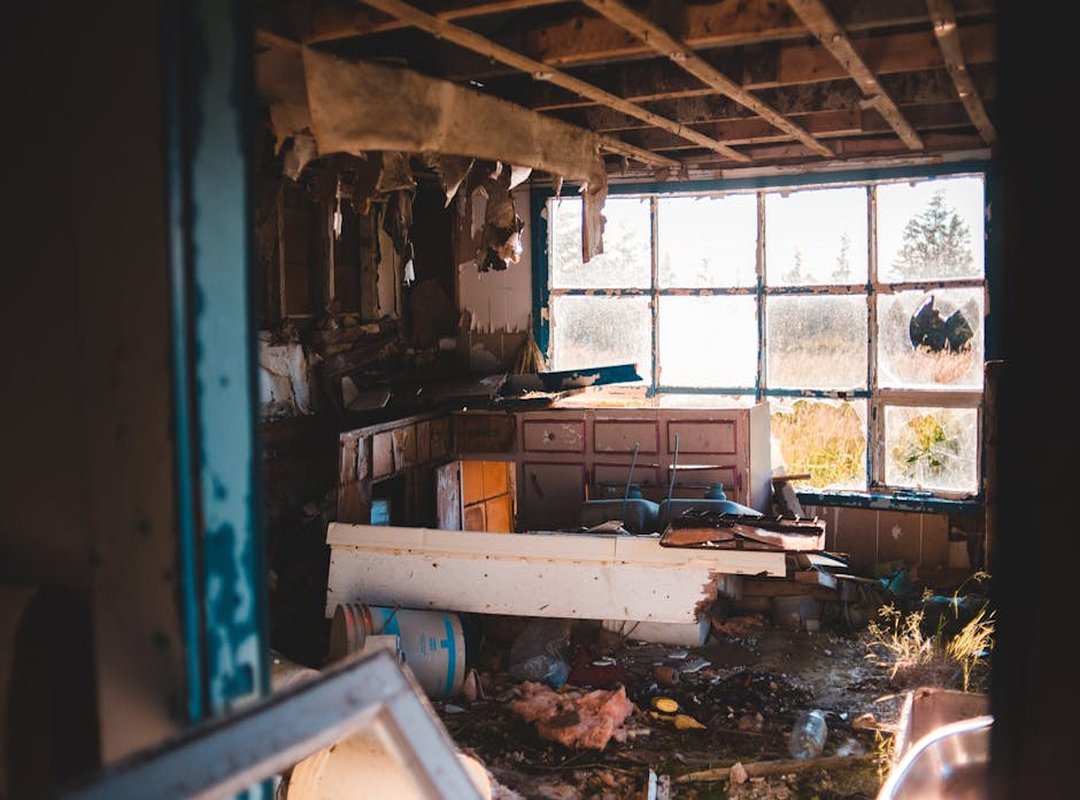
This house isn’t on Atropos.
It’s in her head.
I walked those halls three times before I stopped treating them like architecture and started reading them like handwriting. That hallway with peeling wallpaper? That’s her mother Theia’s voice, sharp and tired.
The locked door at the end? Yeah. You already know what’s behind it.
The octopus toy on the floor (worn,) one eye missing (is) Helios’s. Not a prop. Not symbolism first.
A real toy. She held it the last time she saw him breathe. The TV flickers static, but you hear her laugh from a home video.
The astronaut figure on the shelf? That’s not hope. It’s the version of herself she tried to become after the crash: detached, mission-focused, emotionally sealed.
Cut off mid-sentence. You flinch. I did too.
Spoiler: it didn’t work.
And the things that hunt you in the walls? They’re not random monsters. They’re guilt wearing teeth.
Grief with claws. Self-blame dressed as something that moves. You don’t outrun them.
You recognize them.
Does it matter that the game asks you to solve puzzles while your hands shake? Yeah. It does.
Because this isn’t about logic. It’s about what you avoid looking at when the lights go out.
If you’re wondering whether this is appropriate for younger players, you’re asking the right question. What Age Is Suitable for Returnalgirl Game gives real context (not) just a number. Read it before handing the controller to someone who hasn’t sat through a funeral.
This isn’t trauma porn. It’s a mirror. And mirrors don’t lie.
Even when they’re cracked.
Returnalgirl doesn’t let you look away.
Good.
Selene Isn’t Just Surviving. She’s Unraveling
I played Returnal twice. First time, I rage-quit after the third cycle. Second time, I stopped fighting the loop and started watching her.
Selene isn’t Ellen Ripley. Ripley blasts aliens and yells “Get away from her, you bitch!” Selene doesn’t yell. She breathes.
She stumbles. She forgets her own name.
That’s the point.
The game forces you to die (over) and over. Because grief doesn’t reset. Trauma doesn’t patch.
Every respawn mirrors how real mourning works: same memories, new panic, no cheat codes.
Most games treat maternal loss as backstory. Returnal makes it the core mechanic. You don’t watch Selene grieve. You are her grief (fumbling) controls, misreading text, seeing your child’s name in static.
It’s uncomfortable. It’s necessary.
She’s not a hero who saves the world. She’s a woman trying to remember why she’s still breathing.
And yeah. That’s why Returnalgirl hits different.
No armor upgrades fix this. No boss fight ends it.
You just keep going. Because she does.
Re-Enter the Cycle With New Eyes
Selene isn’t just fighting aliens.
She’s fighting herself.
That changes everything.
You thought Returnalgirl was a shooter. It’s not. It’s a mirror.
Go back. Play it again. Watch for the symbols.
Notice the echoes. Your first run missed half the story.
You want to get her? Then replay with your eyes open. Do it tonight.
 Creative Director
There is a specific skill involved in explaining something clearly — one that is completely separate from actually knowing the subject. Lorraines Pricevadan has both. They has spent years working with expert insights in a hands-on capacity, and an equal amount of time figuring out how to translate that experience into writing that people with different backgrounds can actually absorb and use.
Lorraines tends to approach complex subjects — Expert Insights, Core Mechanics and Playstyles, Tech-Driven Gaming Gear Tips being good examples — by starting with what the reader already knows, then building outward from there rather than dropping them in the deep end. It sounds like a small thing. In practice it makes a significant difference in whether someone finishes the article or abandons it halfway through. They is also good at knowing when to stop — a surprisingly underrated skill. Some writers bury useful information under so many caveats and qualifications that the point disappears. Lorraines knows where the point is and gets there without too many detours.
The practical effect of all this is that people who read Lorraines's work tend to come away actually capable of doing something with it. Not just vaguely informed — actually capable. For a writer working in expert insights, that is probably the best possible outcome, and it's the standard Lorraines holds they's own work to.
Creative Director
There is a specific skill involved in explaining something clearly — one that is completely separate from actually knowing the subject. Lorraines Pricevadan has both. They has spent years working with expert insights in a hands-on capacity, and an equal amount of time figuring out how to translate that experience into writing that people with different backgrounds can actually absorb and use.
Lorraines tends to approach complex subjects — Expert Insights, Core Mechanics and Playstyles, Tech-Driven Gaming Gear Tips being good examples — by starting with what the reader already knows, then building outward from there rather than dropping them in the deep end. It sounds like a small thing. In practice it makes a significant difference in whether someone finishes the article or abandons it halfway through. They is also good at knowing when to stop — a surprisingly underrated skill. Some writers bury useful information under so many caveats and qualifications that the point disappears. Lorraines knows where the point is and gets there without too many detours.
The practical effect of all this is that people who read Lorraines's work tend to come away actually capable of doing something with it. Not just vaguely informed — actually capable. For a writer working in expert insights, that is probably the best possible outcome, and it's the standard Lorraines holds they's own work to.