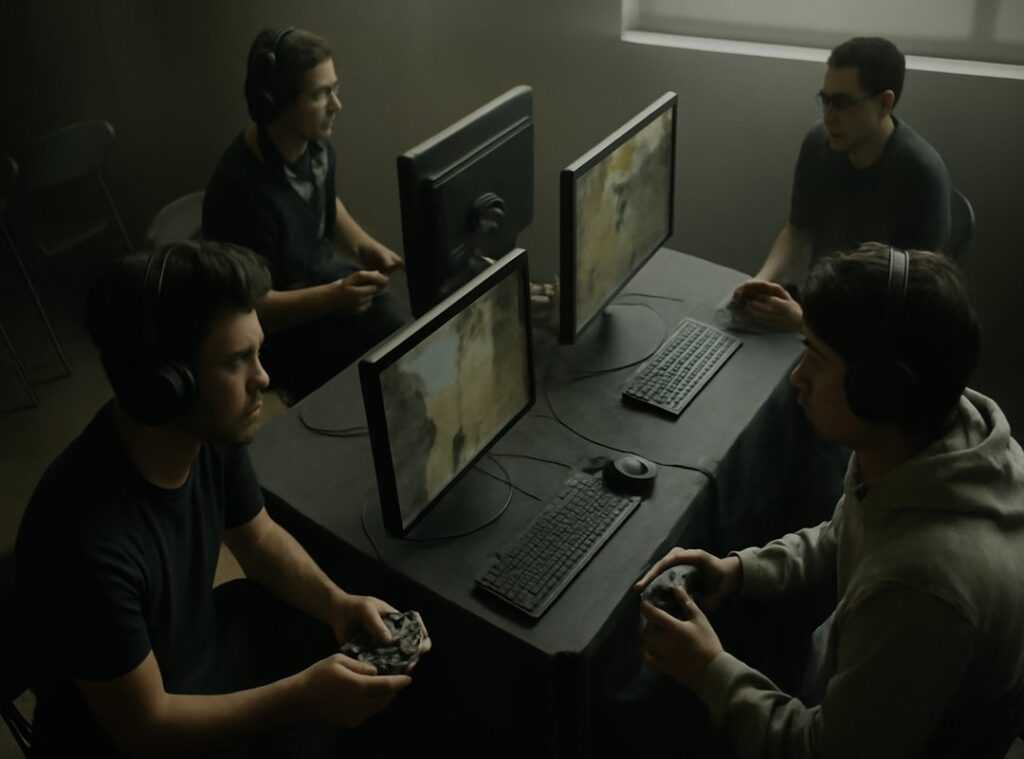

You’re probably here because you want to figure out how different playstyles actually affect your performance. Maybe you’re grinding ranked, working on your mechanics, or tweaking your loadout. Here’s the thing: nailing the balance between aggressive and defensive play changes everything. It’s the difference between stalling out and actually climbing. Different playstyles demand different reads of the map, the meta, your opponent’s habits. Get that balance wrong? You’re stuck. Get it right, and you’ll see it in your rank almost immediately.
Each playstyle works differently depending on the game you’re playing. From core mechanics and positioning to resource management and tempo control, there’s a lot to unpack. When do you pressure? When do you hold back? How do meta shifts, map design, and engine systems shape what actually happens in a real match? That’s what we’re digging into here.
We pull insights from actually playing games, watching esports unfold in real time, and reverse-engineering how patch changes shift competitive play. Real experience meets close study of pro-level strategy. No theory. Just strategies you can use today, not next season. That’s the difference between reading about a meta shift and exploiting it while it’s still fresh.
By the end, you’ll know which style fits you best, and how to adapt when the game demands the opposite.
The art of the first strike: deconstructing offensive gameplay
Offensive gameplay is about controlling tempo, the pace and rhythm of a match. Tempo’s the invisible clock. It dictates who reacts and who acts. Seize it, and your opponent’s forced into split-second decisions. Panic rarely looks strategic.
In fighting games, this philosophy shows up as Rushdown, a high-pressure style that chains attacks to deny breathing room. Daigo Umehara does this perfectly, overwhelming opponents with frame-tight pressure where one missed input costs an entire round. Card games have their own version: Aggro decks aim to win before control strategies stabilize. Wizards of the Coast tournament data shows aggressive archetypes dominating early-stage metas because they punish unrefined decks hard. Battle royales call it W-keying. Relentlessly pushing fights, it uses momentum before enemies can loot or reposition.
The upside? Fast wins and psychological use. A 2023 University of Chichester study on esports performance found that sustained pressure increases opponent error rates under cognitive load. In simple terms: people crack. That’s the edge in aggressive vs defensive playstyles.
But critics argue aggression is reckless, and they’ve got a point. One failed engage in League of Legends can flip gold and map control in seconds. Offensive plays burn through resources fast. You get punished hard if your opponents know how to defend, and the gap widens quick. Ever overextended and watched the replay thinking “how’d I miss that?” It happens. The risk-reward math doesn’t always work out.
Tech matters here. High refresh rate monitors—144Hz and above—reduce motion blur and input delay, improving reaction times by measurable milliseconds, according to NVIDIA latency tests. Low-latency mice and keyboards further tighten execution windows.
Understanding the role of game balance in competitive titles explains why aggression thrives or falters in certain metas.
Pro tip: If you can’t execute cleanly under pressure, slow down. Controlled aggression beats chaotic button-mashing every time.
The unbreakable wall: mastering defensive strategies
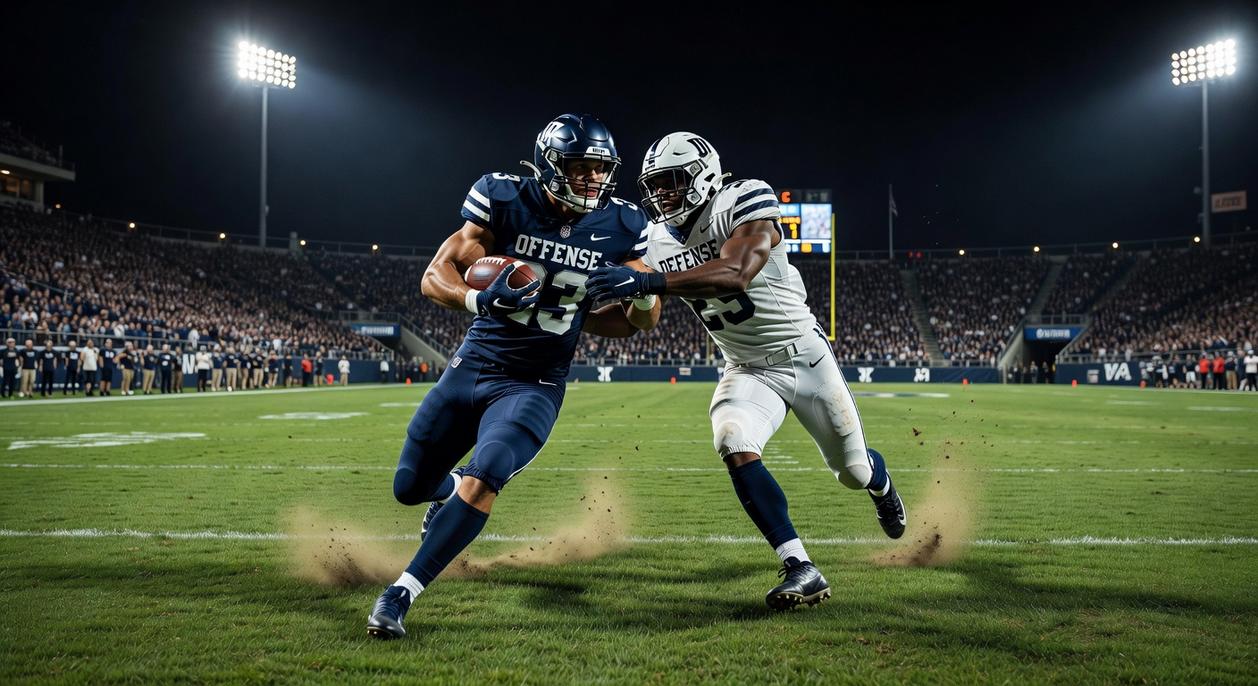
I learned the value of defense the hard way. Years back, I jumped into a ranked tactical shooter match thinking pure aggression would win the day. It didn’t. Got punished. Bad. That’s when I stopped chasing highlight reels and started building THE WALL.
Defensive play is about attrition, wearing your opponent down by shrinking their options, and calculated counter-attacks. You strike when the odds swing your way. Take zoning in fighting games: controlling space with hitboxes (the invisible areas where attacks connect) so opponents second-guess their approach. Control decks do the same thing in card games, stalling the board, removing threats, grinding toward victory. Shooters? Lock down sightlines. Enemies walk into your crosshair every time.
Some critics say this style is passive. “It’s boring.” “It gives up map control.” Look, I understand the appeal of flashy rushdowns, they’re what gets the crowd roaring at EVO grand finals. But here’s the thing consistent players know that casual viewers miss: defense forces mistakes. And mistakes? They win games. Period.
Engine mechanics matter. Robust cover systems reward smart positioning, but that advantage evaporates the moment the environment starts collapsing around you. If walls crumble, you’ve got to adapt or die. Environmental destruction can either reinforce your tactical setup or punish you for staying put. Some engines actually favor defensive play through tighter movement physics or longer time-to-kill metrics (TTK). The research backs this up: higher TTK generally encourages tactical pacing rather than spray-and-pray chaos (Anderson et al. 2018).
Still, defensive setups aren’t invincible. Novel strategies, unexpected flanks, or creative ability combos can overwhelm rigid systems. That’s why adaptability is non-negotiable.
The debate over aggressive vs defensive playstyles misses the point. Master defense first. Learn patience. ABSORB PRESSURE. Then counter.
Pro tip: Track opponent habits early, patterns are cracks in even the strongest offense.
Defense isn’t about hiding.
It’s about control.
The fluid warrior: blending offense and defense for hybrid dominance
The Flex player thrives in motion. They don’t lock into a single identity, instead, they pivot between aggressive and defensive playstyles based on tempo, map state, and resource flow. In competitive terms, this hybrid approach isn’t a compromise. It’s a feature. It maximizes uptime, cuts wasted cooldowns, and turns small leads into decisive swings.
Situational awareness drives this style. You’re tracking gold differentials, ultimate cooldown timers, power spikes, those moments when a character gets significantly stronger from items or levels. And here’s the thing: teams that sync around power spikes win most of their coordinated engagements. That’s what Riot Games and Valve developer reports show in their esports performance analyses. Timing matters. Everything hinges on it.
MOBA Example:
- Early game: A support shields and peels to protect the carry, prioritizing vision control.
- Mid game: Rotates to secure objectives when enemies overextend.
- Late game: Becomes the primary initiator once core items reduce cooldowns.
That transition isn’t random, it’s triggered by clear signals:
- Enemy ultimates on cooldown
- Item completion thresholds
- Objective spawn timers
Pro tip: Review your replays and pause before the big fights. Ask yourself, was that really the moment to push, or should you have consolidated instead? Nailing that switch is everything. The difference between players who just scrape by and the ones actually running the show? It comes down to knowing when to hold back. Every decision matters.
Engine and arena: how game design dictates viable strategy
Different genres hardwire strategy in ways that feel almost mechanical. FPS titles with high time-to-kill (TTK), the amount of damage a player can absorb before elimination, often push toward defensive positioning. Low TTK? That rewards swift flanks. RTS games tilt toward macro-level control. MOBAs balance lane pressure and scaling. Still, the data isn’t unanimous. Some esports analysts argue player skill outweighs TTK impact entirely.
Physics engines also reshape risk. Advanced movement systems can enable aerial aggression or fortified terrain abuse (think sci‑fi gravity tricks).
• Chokepoints empower defenders.
• Open maps stretch aggressive vs defensive playstyles across wider engagements.
You came here to sharpen your edge and understand how mechanics, metas, and aggressive versus defensive playstyles actually shape your performance. That’s the whole point. You’ve got a clearer framework now, one for reading the battlefield, adapting when esports trends shift, fine-tuning your loadout and engine settings to match what works for you. It’s actionable. It sticks.
The difference between climbing the ranks and staying stuck? Inconsistency. You don’t know when to push, when to hold back, or whether your gear’s actually optimized for how you play instead of some theoretical build guide. Your mechanics reflect that gap. And it costs wins, every single time.
Look back at those recent matches. What worked? What didn’t. Your build should match how you actually play, not fight it. If you’re faster, lean into speed. If you prefer control, build for it instead of chasing some cookie-cutter playstyle that doesn’t fit. Tweak your engine settings and try different gear combos that amplify what you’re already good at. The tech stuff matters, sure, but it’s only useful if it’s working with your tempo, not against it.
As you explore the nuances of aggressive versus defensive playstyles to determine which best fits your gaming personality, don’t miss the latest strategies and enhancements in our article on New Gaming Updates Zeromaggaming that could elevate your gameplay.
Level up your competitive edge
Tired of losing fights you should’ve won? It’s time to play smarter. We break down the mechanics, metas, and performance tech that serious players use to dominate. Thousands of competitive gamers rely on our insights to refine their strategy and gear. The latest guides are here, start turning close matches into confident victories.
 Marketing & Strategy Lead
Michaeliv Roldanakurt writes the kind of tech-driven gaming gear tips content that people actually send to each other. Not because it's flashy or controversial, but because it's the sort of thing where you read it and immediately think of three people who need to see it. Michaeliv has a talent for identifying the questions that a lot of people have but haven't quite figured out how to articulate yet — and then answering them properly.
They covers a lot of ground: Tech-Driven Gaming Gear Tips, Mag-Based Game Engine Explorations, Hot Topics in Gaming, and plenty of adjacent territory that doesn't always get treated with the same seriousness. The consistency across all of it is a certain kind of respect for the reader. Michaeliv doesn't assume people are stupid, and they doesn't assume they know everything either. They writes for someone who is genuinely trying to figure something out — because that's usually who's actually reading. That assumption shapes everything from how they structures an explanation to how much background they includes before getting to the point.
Beyond the practical stuff, there's something in Michaeliv's writing that reflects a real investment in the subject — not performed enthusiasm, but the kind of sustained interest that produces insight over time. They has been paying attention to tech-driven gaming gear tips long enough that they notices things a more casual observer would miss. That depth shows up in the work in ways that are hard to fake.
Marketing & Strategy Lead
Michaeliv Roldanakurt writes the kind of tech-driven gaming gear tips content that people actually send to each other. Not because it's flashy or controversial, but because it's the sort of thing where you read it and immediately think of three people who need to see it. Michaeliv has a talent for identifying the questions that a lot of people have but haven't quite figured out how to articulate yet — and then answering them properly.
They covers a lot of ground: Tech-Driven Gaming Gear Tips, Mag-Based Game Engine Explorations, Hot Topics in Gaming, and plenty of adjacent territory that doesn't always get treated with the same seriousness. The consistency across all of it is a certain kind of respect for the reader. Michaeliv doesn't assume people are stupid, and they doesn't assume they know everything either. They writes for someone who is genuinely trying to figure something out — because that's usually who's actually reading. That assumption shapes everything from how they structures an explanation to how much background they includes before getting to the point.
Beyond the practical stuff, there's something in Michaeliv's writing that reflects a real investment in the subject — not performed enthusiasm, but the kind of sustained interest that produces insight over time. They has been paying attention to tech-driven gaming gear tips long enough that they notices things a more casual observer would miss. That depth shows up in the work in ways that are hard to fake.